

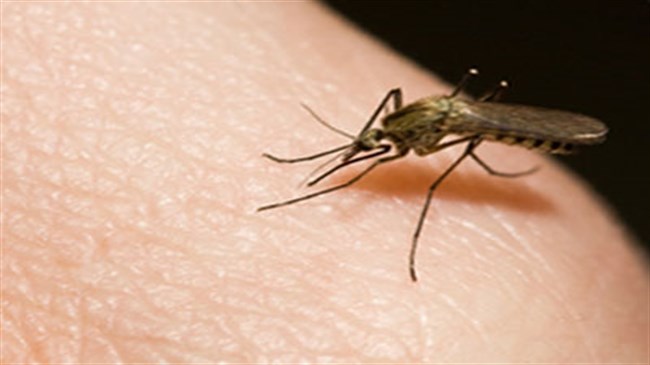
Every 30 seconds, one child dies from malaria. Although taken lightly in Africa, this sickness is responsible for the deaths of over 90 percent of children under five in Sub-saharan Africa.
While it has been successfully eradicated in certain countries in the West, it still thrives in countries in Asia, Latin America, Middle East where there is a warmer climate.
Malaria is caused by Plasmodium parasite which are carried by Anopheles mosquitoes. Some of its symptoms include fever, loss of appetite, headache among others. If left untreated, it can lead to death.
Of the five types of malaria, falciparum and P.Vivax are considered the most dangerous. Falciparum is commonly found in Africa and is responsible for blood loss and clogged blood vessels while P. vivax can come up months and years after the mosquito bite.
Cerebral malaria is the most severe the most severe neurological complication of infection with Plasmodium falciparum malaria. 40 percent of the world’s population at risk and over 500 million cases every year, the number of people who are affected by this parasite is of 575,000 per year.
There are several forms in which celebral malaria occurs. Sometimes, it comes as anaemia, neuro-disability, coma, seizures, metabolic acidosis and death.
Plasmodium falciparum malaria is the most severe which is often characterised by coma and brain injury, hypertension.
After a seizure, the child experience fever running to three days. This is sometimes followed by a coma, weakness and prostration. Doctors also notice a swelling of the brain, haemorrhages and abnormal respiratory and pupil size.
Thankfully, cerebral malaria is on the decline yet caution must be taken when malaria symptoms occur. While patients may fully recover, 11 percent of them suffer brain injury while some become blindness, cognition impairment and epilepsy.
Source: Guardian Newspaper