
May 2, 2018 at 1:19 pm
Morocco is to cut diplomatic ties with Iran over its support for the Polisario Front, a political-military group at the head of the Western Sahara independence movement. The government in Rabat has accused Tehran and Lebanon’s Hezbollah of funding, training and arming fighters from the Polisario movement. Hezbollah has denied the allegations and criticised Morocco for bowing to what it sees as US, Israeli and Saudi Arabian pressure to cut ties with the Iranian government.
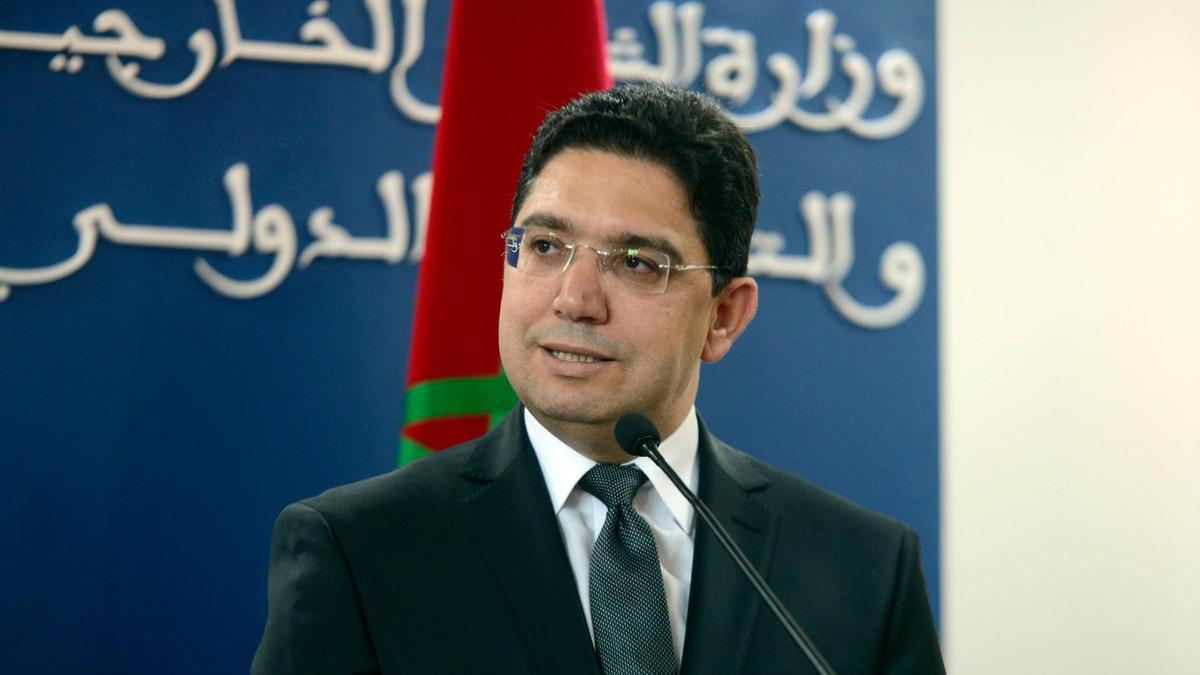
Foreign Minister Nasser Bourita said that he had spoken with his Iranian counterpart to end ties between the two countries officially. It is understood that the Moroccan Ambassador has already left Tehran and the Iranian embassy in Rabat is to be closed immediately.
Bourita told Al Jazeera that Rabat has evidence incriminating the Iranian government, which has assisted Hezbollah’s support for the Polisario Front through its embassy in Algiers. This evidence includes documentation of arms deliveries made to the Front, including surface-to-air SAM9, SAM11 and Strela missiles. It is believed that financial and logistical support to the movement has been ongoing since 2016, but the first delivery of weapons was only sent by Hezbollah last month, prompting Morocco to sever diplomatic relations.
The use of the Iranian Embassy in Algiers to channel such support has raised questions about Algerian involvement in the affair and its own links with Hezbollah and the Polisario Front. Bourita explained that Hezbollah military experts have visited a Polisario base within Algeria, an action that could only be undertaken with the Algerian government’s approval, according to The North Africa Post. Rabat sees this as evidence of Algerian hostility towards Morocco’s territorial integrity.
The Polisario Front (or the Popular Front for the Liberation of Saguia El-Hamra and Río de Oro to give the movement its full name), has a long history of opposition and insurgency in the region. Spanish colonial forces ruled the area from the late 1800s, and the Polisario Front was formed initially as an anti-Spanish movement led by the Sahrawi population in the early 1970s. Following Spain’s withdrawal in 1975, the Western Sahara region was claimed by Mauritania, Morocco and the Polisario Front. Backed by Algeria, the Front waged a 16-year-long war of independence against Morocco and Mauritania, before the latter eventually withdrew its claims to the territory. In 1991, a ceasefire was reached between the two remaining parties, but to date no agreement on borders or the fate of those Sahrawis languishing in refugee camps near the Algerian border has been found.
This is not the first time that Iranian involvement in proxy conflicts in the Middle East North Africa (MENA) region has come to the fore. Iran’s support for the Houthi rebels in Yemen has been a central tenet of the ongoing civil war that has afflicted the country since 2011. As early as 2012, reports of arms smuggling by the Iranian Revolutionary Guard Corps (IRGC) surfaced and IRGC and Hezbollah operatives were believed to be engaged actively in boosting Houthi control over the Yemeni capital Sanaa.
Likewise, the involvement of Iran and Hezbollah in the ongoing Syrian conflict has been a source of tension with regional rivals Israel and Saudi Arabia. Just last week, 11 Iranians were killed during an Israeli air strike on a weapons base inside Syria. Israeli Defence Minister Avigdor Lieberman said that Israel would never allow Iran to build bases to launch rockets from Syria. Last week’s air strike was the second against a Syrian military base that resulted in the deaths of Iranians. A senior advisor to Iran’s Supreme Leader Ayatollah Ali Khamenei threatened Israel following the attack.