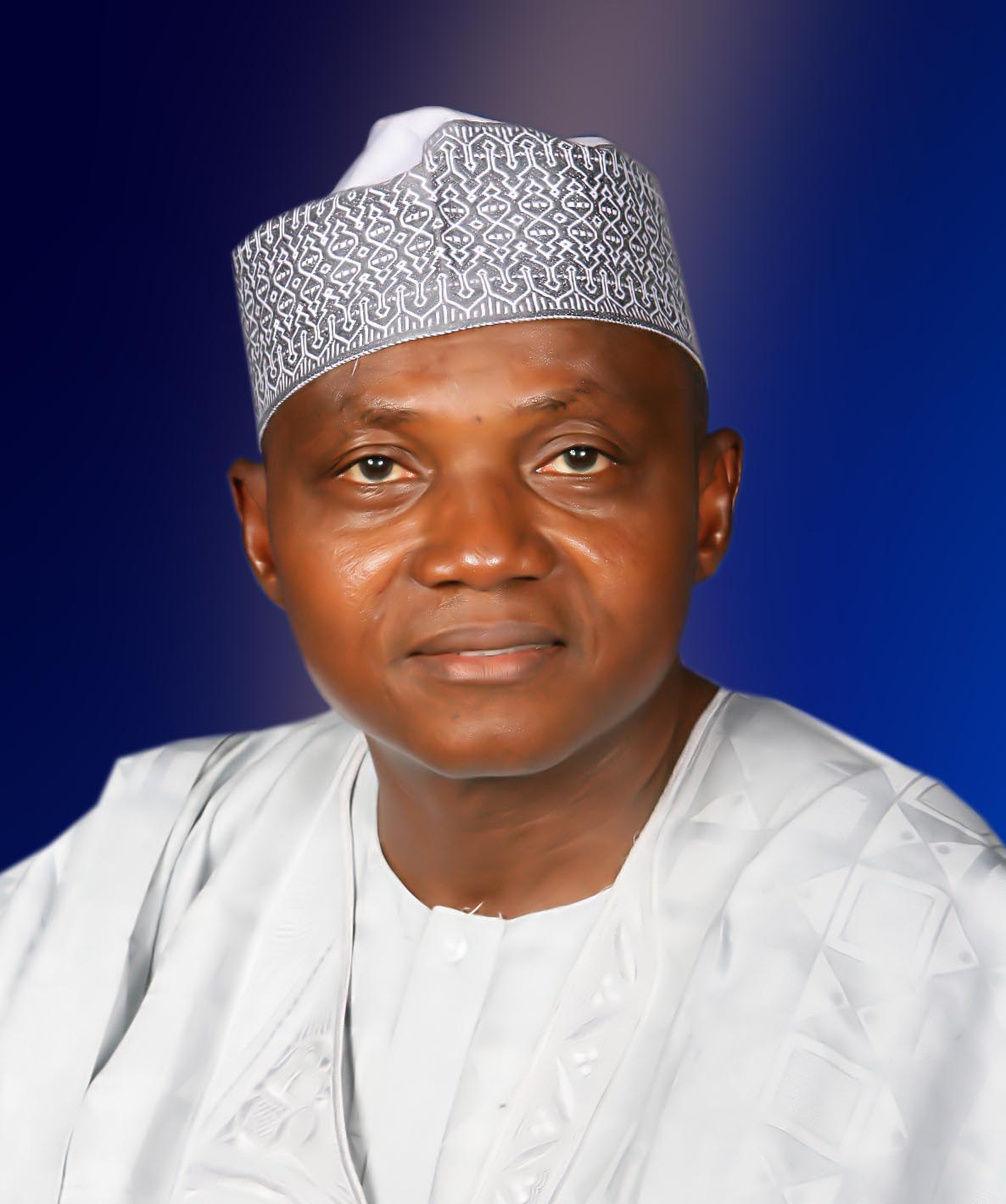


By Olugbenga Olaoye, PhD
As the global energy community convened in Fort Worth, Texas for the 42nd USAEE/IAEE North American Conference from Nov 16th – 19th 2025, the central message was unambiguous: energy systems around the world are being reshaped by new technologies, new markets, new geopolitical realities, and new consumer expectations. For Nigeria and other developing economies, this moment demands not incremental adjustments but courageous, evidence-based policy choices.
The conversations in Fort Worth, which I was privileged to attend, ranged from artificial intelligence to electricity market design, cross-sector innovation, and reliability planning hold pressing lessons for Nigeria as it continues to implement the Electricity Act 2023, consolidates reforms under the Petroleum Industry Act (PIA) 2021, and operationalizes the Nigeria Energy Transition Plan (ETP).
1. AI-Driven Energy Demand Requires New Planning Frameworks
The conference opened with a forward-looking session on how AI and digital infrastructure are rapidly altering global energy demand. In the United States, regulators and utilities are already refactoring load projections to account for surges in data center consumption, cryptocurrency operations, and AI-intensive industries.
Policy Lesson for Nigeria:
Nigeria’s demand forecasting methodologies still anchored in traditional household and industrial load assumptions must urgently evolve. Digital loads are rising domestically: fintech, telecoms, cloud services, and AI-based enterprises. Under the Electricity Act 2023, state regulators and distribution companies now have the mandate to plan and procure supply based on transparent demand assessments. This planning must integrate scenarios for digital transformation, data centers, and smart industry growth.
Nigeria-U.S. Comparison:
While U.S. system operators conduct continuous, transparent, data-driven load forecasting, Nigeria’s demand studies remain infrequent and disconnected from real-time industrial trends. Adopting the U.S. model of independent system forecasting will strengthen planning and reduce costly power shortages.
2. Electricity Market Reliability Depends on Strong Institutions, not just Infrastructure
A keynote session featuring U.S. Independent System Operators (ISOs) emphasized how market governance, transparent pricing, and regional coordination underpin reliability even in systems with high shares of renewables.
Nigeria’s power challenges, poor cost recovery, market liquidity gaps, and weak regulatory enforcement, are fundamentally institutional, not just infrastructural.
Relevance for Nigeria
The Electricity Act 2023 decentralizes the power market and empowers states to establish their own regulators and markets. But decentralization without institutional discipline risks repeating national-level failures at the subnational level.- Dispatch must follow objective economic rules.- Tariffs must be cost-reflective and predictable.- Contracts must be enforceable across the value chain.- Market participants must face incentives for performance and penalties for non-compliance.
Nigeria-U.S. Comparison:
U.S. ISOs such as PJM, ERCOT, and MISO publish real-time market data, reliability dashboards, and performance metrics. Nigeria’s regulators and system operators should adopt similar transparency to build trust, attract investors, and enforce market discipline.
3. Global Energy Geopolitics Underscore the Urgency of Nigeria’s Economic Diversification
Sessions on global energy security highlighted intensifying geopolitical competition, critical minerals, supply chains, regional alliances, and climate politics. For fossil-fuel-reliant economies, the takeaway was clear: the long-term security of oil revenue is weakening.
The PIA 2021 sets the foundation for Nigeria’s upstream fiscal stability, but reforms must go further to:- Accelerate non-associated gas development- Expand domestic gas utilization under the National Gas Expansion Programme (NGEP)- Deepen midstream investments and reduce export bottlenecks- Improve contracts certainty to attract long-term capital
Nigeria-U.S. Comparison:
While the U.S. leverages regulatory stability to attract shale and LNG investments, Nigeria continues to lose capital due to inconsistent regulatory actions and prolonged project approvals. To remain globally competitive, Nigeria must align with global norms of regulatory predictability.
4. Cross-Sector Innovation Is Defining the Energy Future; Nigeria Must Build Local Ecosystems
Panels featuring experts from automotive, agriculture, fuels and technology sectors underscored how innovation ecosystems, supported by policy, drive national competitiveness. Electric mobility, green hydrogen, carbon capture, biofuels and digital grid technologies are advancing through strong academia–industry–government collaboration.
Nigeria’s Energy Transition Plan sets ambitious targets but lacks a comprehensive innovation strategy. Policymakers should establish:- A National Energy Innovation Fund- Incentives for local clean-tech start-ups- University–industry partnerships in storage, grid digitalization, gas utilization, and renewable integration- Pilot programmes in hydrogen, CCUS, and mini-grids
Nigeria-U.S. Comparison:
Federal agencies like the U.S. Department of Energy (DOE) fund early-stage research, demonstration projects, and commercialization pathways. Nigeria’s approach remains fragmented and underfunded. A coordinated innovation policy is essential to unlock local content and new jobs.
5. Human Capital Remains Nigeria’s Greatest Strategic Asset
The conference’s mentoring and workforce development sessions reminded participants that talent, not technology, is the bedrock of resilient energy systems. The U.S. invests heavily in training engineers, economists, grid planners, climate scientists, and policy analysts.
Nigeria must adopt a similar strategy by expanding:- Specialized programmes in energy economics and policy- Regulatory capacity strengthening under the Nigerian Electricity Regulatory Commission (NERC)- Industry placements, apprenticeships, and utility-level technical academies- International partnerships for training in grid management, climate finance, and digital systems
Without a robust human capital pipeline, neither the PIA nor the Electricity Act can achieve their intended impact.
Conclusion: Nigeria Must Act with Intentionality
The USAEE/IAEE Conference made one lesson unmistakable: countries that pair sound policy with strong institutions, innovation-driven ecosystems, and skilled human capital will lead the next energy era.
Nigeria stands at a unique crossroads. With the Electricity Act 2023, the PIA 2021, and the Energy Transition Plan, the country has the right frameworks on paper. What remains is implementation, consistency, and the political will to adopt best practices observed in leading markets like the U.S.
If Nigeria aligns policy, institutions, and innovation, it can not only accelerate its energy transition but become a regional leader translating global insights into a more reliable, competitive, and prosperous energy future.
Olugbenga Olaoye is a seasoned professional with extensive experience in the oil and gas industry. He has a PhD in Economics from Covenant University, specializing in Energy Economics and holds a master’s degree in public service from the Clinton School of Public Service, USA and an Executive MBA from the Lagos Business School. He is also member of USAEE. He writes from Fortworth, Texas. USA. Email: olugbenga.olaoye@outlook.com